HISTORY
A Brief History
MEMORIAL
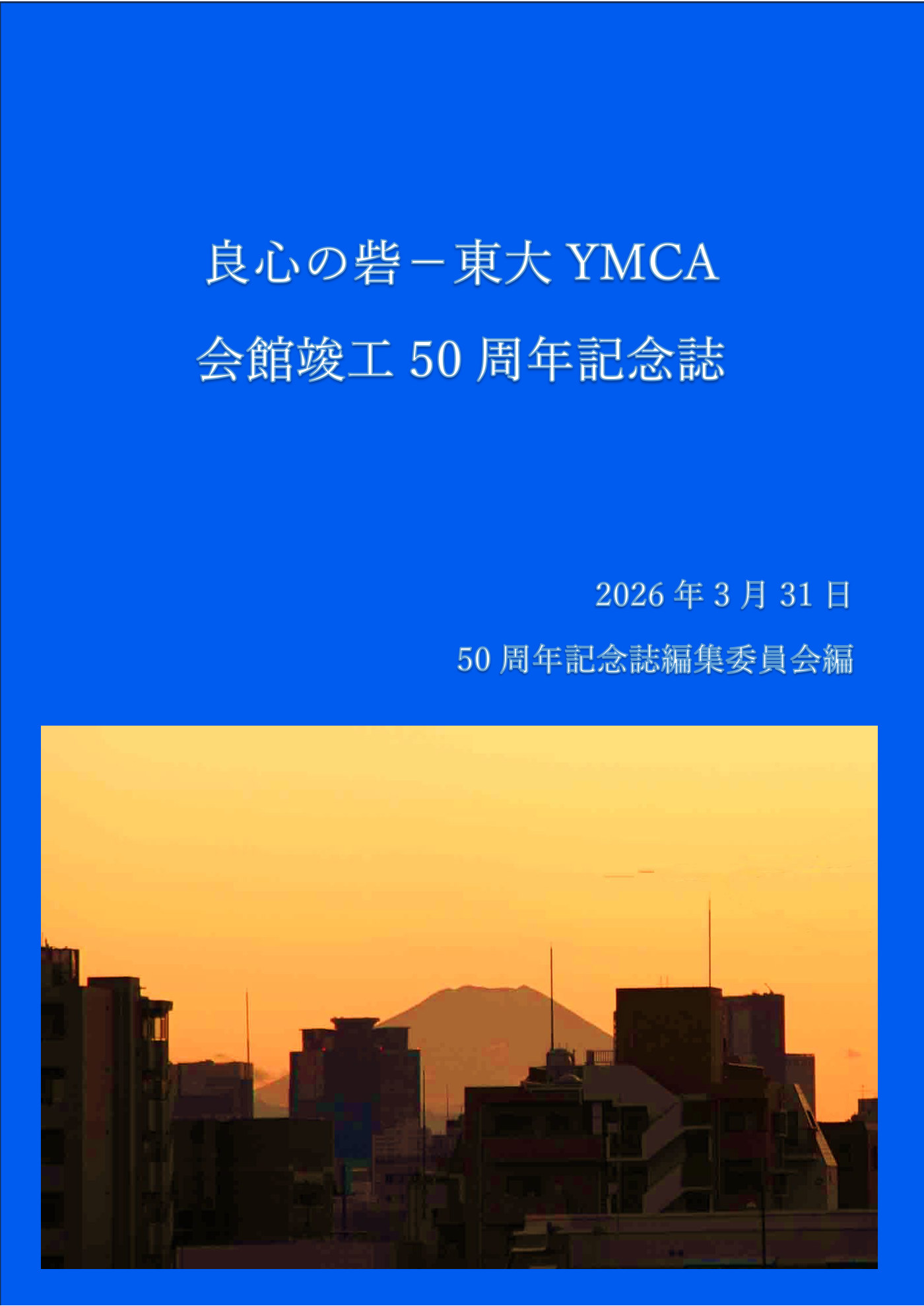
The memorial book marking 50 years of the YMCA Hall, Fortress of Conscience
The current hall was completed in 1975 and reached its 50th year in 2025. We have published Fortress of Conscience, a memorial book tracing that journey — from the opening words through alumni essays, a roundtable, and a chronology of the 80 postwar years, in six chapters plus a photographic section.
See what's insideOUR HISTORY
A brief history of the UTokyo Student YMCA
The University of Tokyo Student YMCA is a public-interest incorporated foundation that, in 2026, marks the 138th year since its founding.
Daimachi Hall (from 1888)
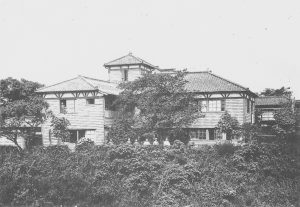
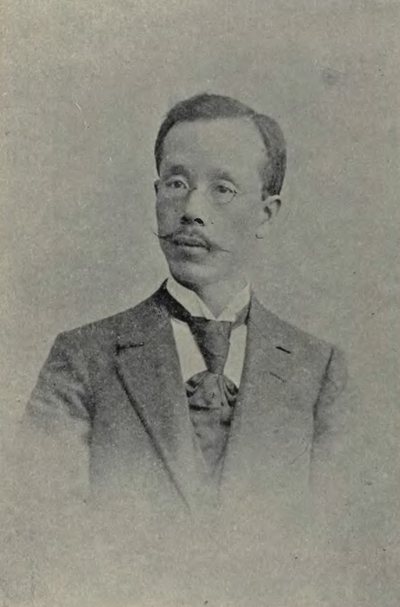
On May 13, 1888, nine "Imperial University students" of the day — among them Onishi Hajime and Takada Koan — gathered at the home of Pastor Kimura Kumaji in Nishikata-machi, near the present site, and founded this association. Ten years later they built a hall with a dormitory at Hongo Daimachi, where they held prayer meetings, Bible study, and "evangelistic lectures." These activities and the construction were supported by staff dispatched from the American YMCA, who gave dedicated Bible-study guidance and financial help. In 1906 the association gained the status of an "incorporated foundation." Daimachi Hall produced the English scholar Saito Takeshi, the medical scientist Mitamura Tokushiro, and the future prime minister Katayama Tetsu.
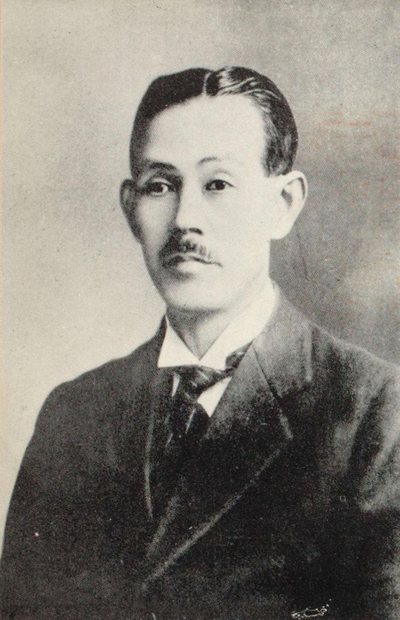
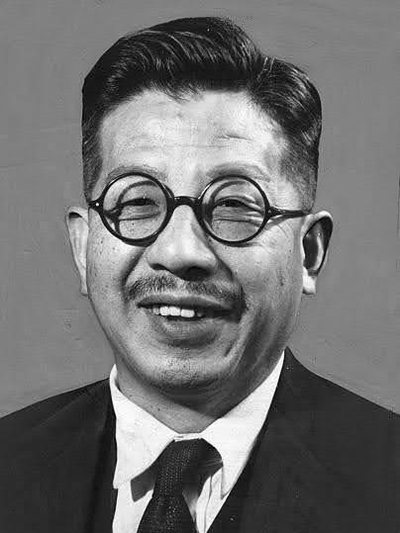
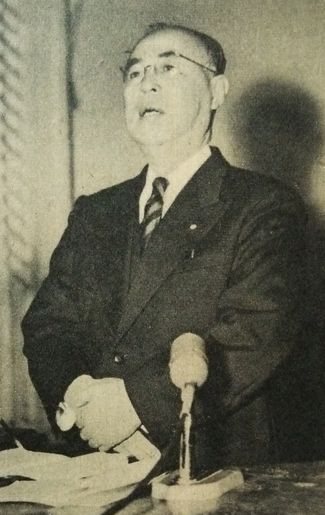
When Daimachi Hall could no longer house the students, a new hall was planned at former Hongo Oiwake-cho. From 1912, students lodged for five years in private houses in Sendagi, yet the activities continued. From this lodging period came the later managing director Fujita Itsuo, the postwar Minister of Education Morito Tatsuo, the architect Endo Arata, Kawada Shigeru (founder of the San-iku-kai), and the future Speaker of the House Hoshijima Niro. International students from Korea and Taiwan also lived here, many of whom went on to prominent roles in their home countries.
Oiwake Hall (old) (1916–1973)
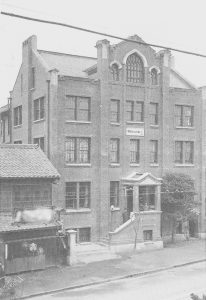
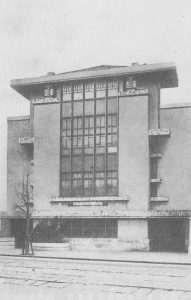
The new hall at Hongo Oiwake-cho had a five-story brick building at the front, with a wooden four-story dormitory, auditorium, and gymnasium behind. It was completed in 1916 — designed by William Merrell Vories, supervised by Endo Arata, and built by the Shimizu Gumi (today's Shimizu Corporation). Serving also as a kind of "cultural center," it hosted concerts and orchestral performances. Heavily damaged in the 1923 Great Kanto Earthquake, it was renovated by Endo in a "Wrightian" style and, having survived the Second World War, stood until 1973.
From here, the elder alumnus Yoshino Sakuzo raised the banner of "minpon-shugi" (democracy), and among the students he influenced, Akamatsu Katsumaro, Matsuzawa Kaneto, Kono Mitsu, and Morito Tatsuo later became Diet members of the Socialist Party. This hall also gave birth to the "free legal consultations" of Katayama Tetsu and Hoshijima Niro, Kawada Shigeru's "San-iku-kai," and Fujita Itsuo's "consumer cooperative." In 1928, to mark the 40th anniversary, a "National Christian Student Conference" was held at Tozanso in Gotemba — the seed of the later "SCM movement."
War and the postwar years
As Japan pressed toward war and Christianity came under pressure, a "Special Student Evangelistic Meeting" drawing 3,000 people was held at Kanda Kyoritsu Hall in 1939. Soon after, student mobilization sent many students off to war. The Hongo hall was threatened by air raids that reached its very doorstep, but the efforts of remaining residents such as Ishihara Chikara spared it from burning. In 1945, when the war ended, the "Tokyo Christian Student Association" was formed with members from the UTokyo association including Eguchi Atsutoshi, Shirato Shiro, and Ishihara Chikara — a spark for the revival of student YMCAs nationwide. In 1947, Katayama Tetsu, leading the Socialist Party, became prime minister, and Morito Tatsuo became Minister of Education.
Ten years after the war, when the "apartment-ization" of the dormitory became an issue, Araki Toru organized the association's records and compiled a "chronology," completed in 1957. The university unrest that began in 1968 subsided after the occupation and clearing of Yasuda Auditorium the following year; student YMCAs nationwide suffered devastating blows, and only those with a dormitory barely "survived."
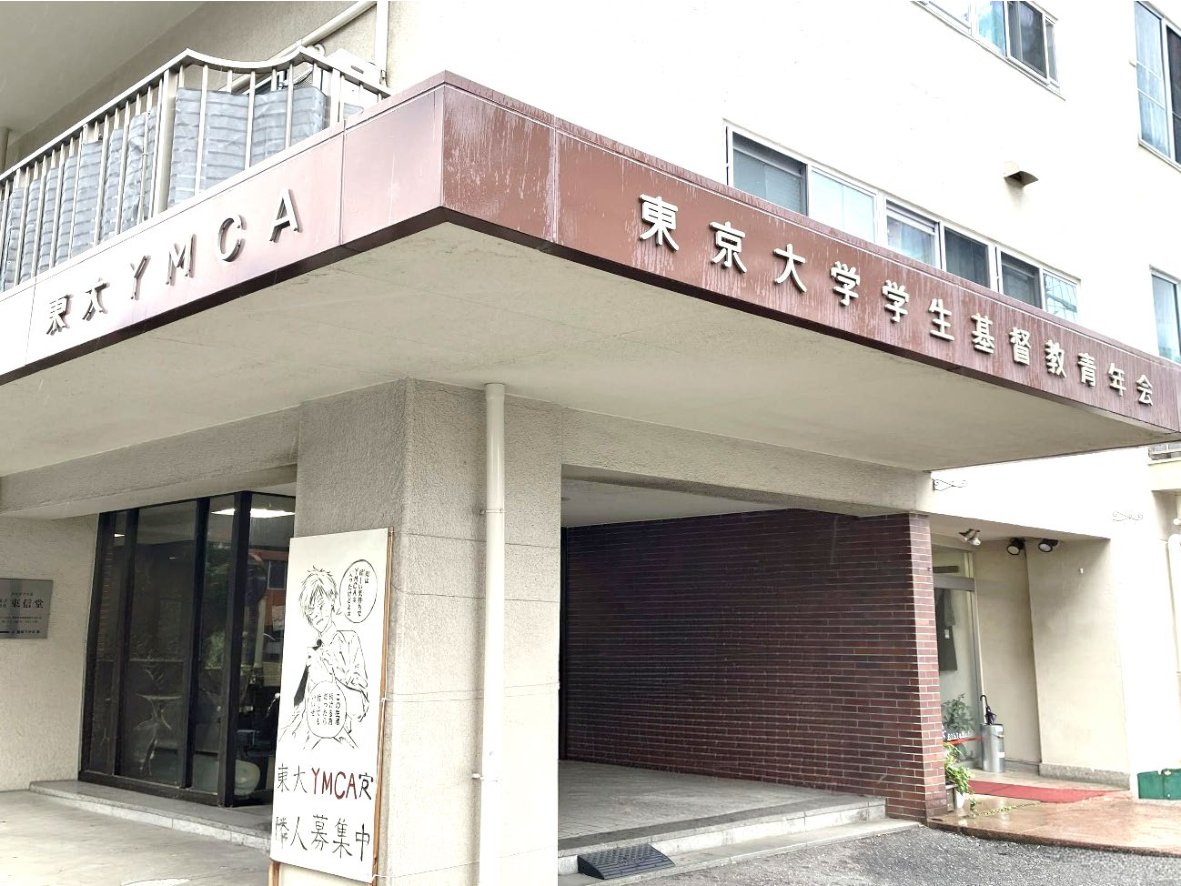
The current hall (from 1975)
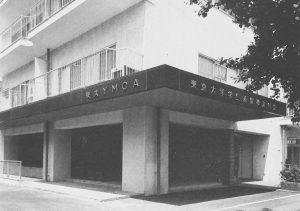
As the wooden building, more than 50 years old, continued to deteriorate, it was decided after deliberation to occupy part of a condominium building of the kind seen today. For the interior design, Iwai Kaname devised ways to preserve traces of the original, and to protect both the organization and the building, Baba Susumu — then 70 — became managing director and devoted himself to its upkeep and growth. The new hall was completed in 1975; the newsletter was revived, and monthly Bible study, alumni roundtables, and spring and autumn public lectures began, continuing to this day.
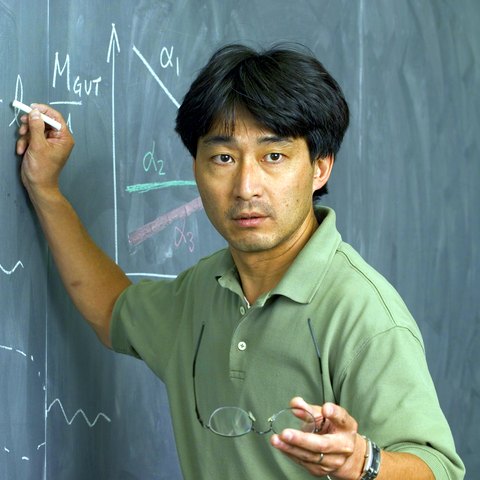
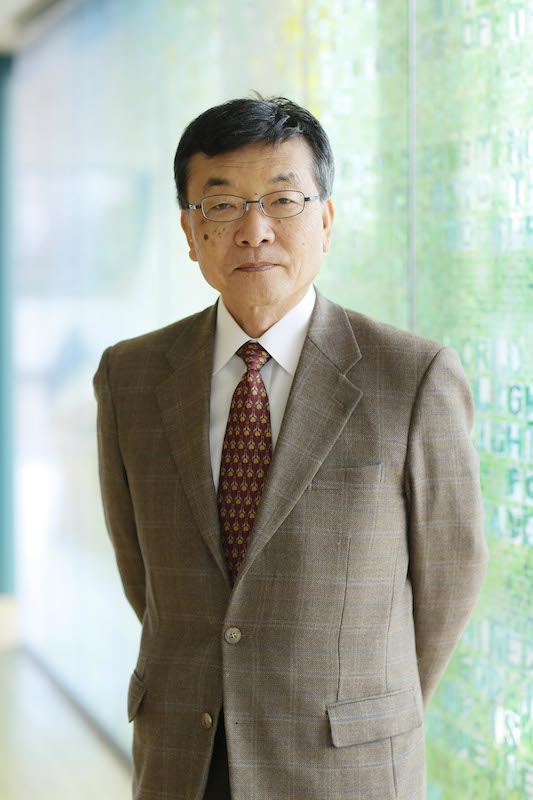
In 1988 the association marked its 100th anniversary with a commemorative service and a "Centennial Memorial Book." Among the students of that time were Murayama Hitoshi, later director of the Kavli IPMU, and Misawa Kazuhiko, later a professor at Tokyo University of Agriculture and Technology. The 110th anniversary in 1998 featured a forum on the theme "The Development of Science and Technology, and Humanity and Society." In 2011 the association was authorized as a public-interest incorporated foundation, and from 2014 it opened its doors to women students — broadening the diversity of residents alongside international students.
*This text is a provisional version organized from the "Brief History" on the foundation's official site. It needs to be cross-checked against the source section of the memorial book Fortress of Conscience.
ALUMNI
People connected with Todai YMCA
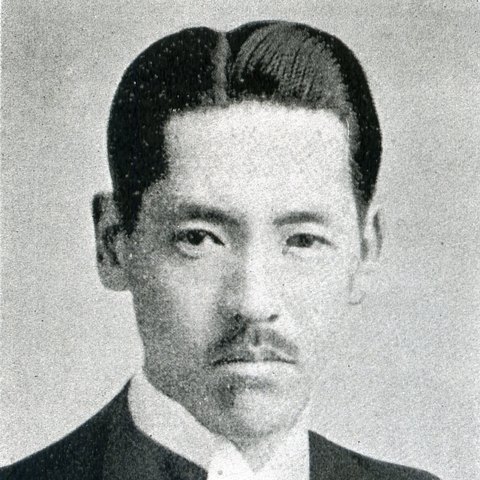
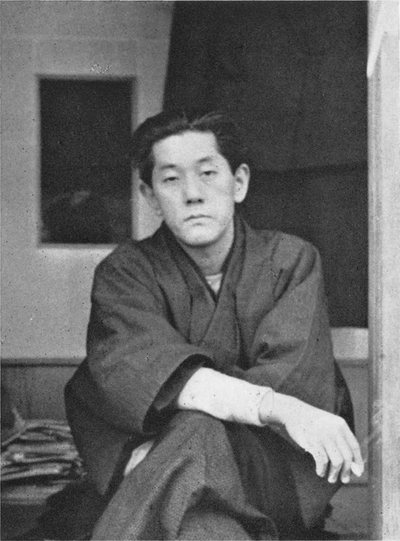
Since our founding, the dormitory and the association have sent many people into politics, scholarship and culture, including Tetsu Katayama, the 46th Prime Minister of Japan, Niro Hoshijima, Speaker of the House of Representatives, and Tatsuo Morito, Minister of Education. Tap a name to open a related page (Wikipedia, some in Japanese). Honorifics omitted